What changed, in brief
After 2021, Florida introduced two obligations for condominium buildings of three storeys or more: periodic milestone inspections of the structure, and a structural integrity reserve study that sets how much the association must save for major components such as the roof, load-bearing walls and waterproofing. Associations can no longer simply vote to skip funding those reserves.
The 2026 legislative session, which ended on March 13, passed no major new condominium law. The pressure this year has come from elsewhere.
Lenders have tightened the rules
In March 2026, Fannie Mae and Freddie Mac announced new requirements for the buildings in which they will back mortgages:
- the minimum share of an association's budget set aside for reserves rises from 10% to 15%, from January 4, 2027;
- the insurance deductible that can fall on each unit is capped, with a reported limit of $50,000, from July 1, 2026.
Even a cash buyer should care. A building that does not meet these rules is harder for the next buyer to finance, and that shows up in the price when you sell.
The state is still finding problems
A first state report on the inspection programme, published at the end of July 2026, found buildings deemed unsafe or uninhabitable and gaps in how associations report. Separately, building officials have granted many extensions to inspection deadlines, most of them in coastal towns in Miami-Dade, Broward and Palm Beach counties.
The documents we ask for
Before a family signs a contract on an apartment, we request, and have their attorney review:
- The most recent milestone inspection report, and any follow-up engineering letters.
- The structural integrity reserve study, and whether the budget actually funds it.
- The association budget, reserve balances and the last two years of financial statements.
- Any special assessments that are approved, proposed or under discussion.
- The master insurance policy: carrier, coverage, windstorm deductible and renewal date.
- Board minutes for the past twelve to twenty-four months. Problems appear there first.
- Pending litigation involving the association.
- Rules on rentals, renovations and pets, which vary widely between buildings.
What the market is saying
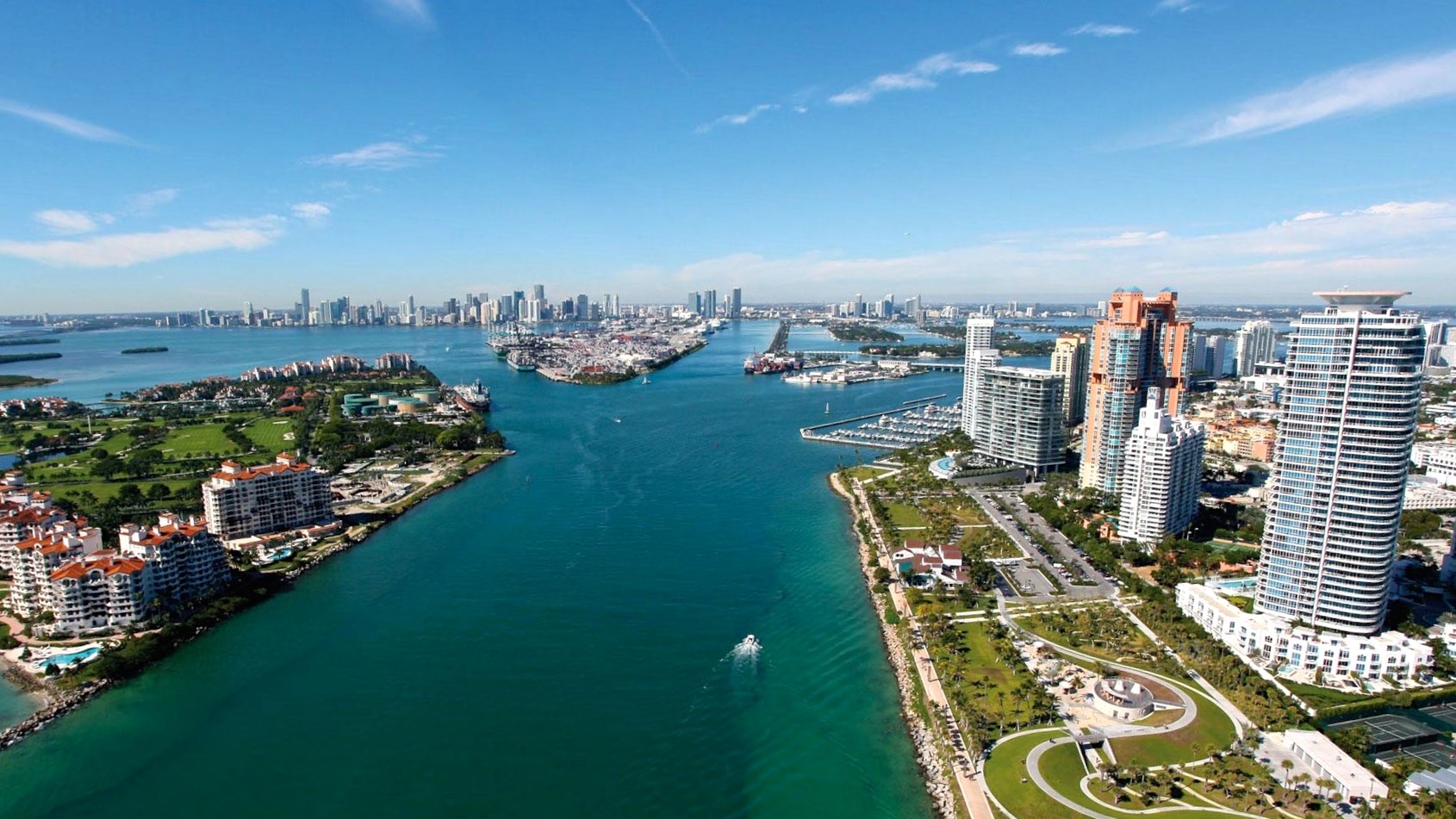
At the top of the market, supply and demand vary sharply from one building to the next. In the second quarter of 2026, the median sale among the most expensive condominiums was about $10.2 million on Fisher Island, with around seven months of supply. In Bal Harbour and Surfside, the median was $7.5 million, with about fifteen months of supply. That gives buyers there time to ask every question above.
Sources
- Bilzin Sumberg, "Challenges for Florida condos and HOAs", May 2026
- WUSF, "Florida condo inspection report finds unsafe buildings and reporting gaps", July 31, 2026
- The Real Deal, "How Florida's aging condo buildings are faring post-Surfside", July 14, 2026
- CondoBlackBook, Q2 2026 Miami Beach luxury condo market report, August 25, 2026
This note is general information, not legal, tax, insurance or investment advice. Figures are as reported by the sources listed, on the dates shown.