The year's evidence
The pattern appeared across the region in 2026:
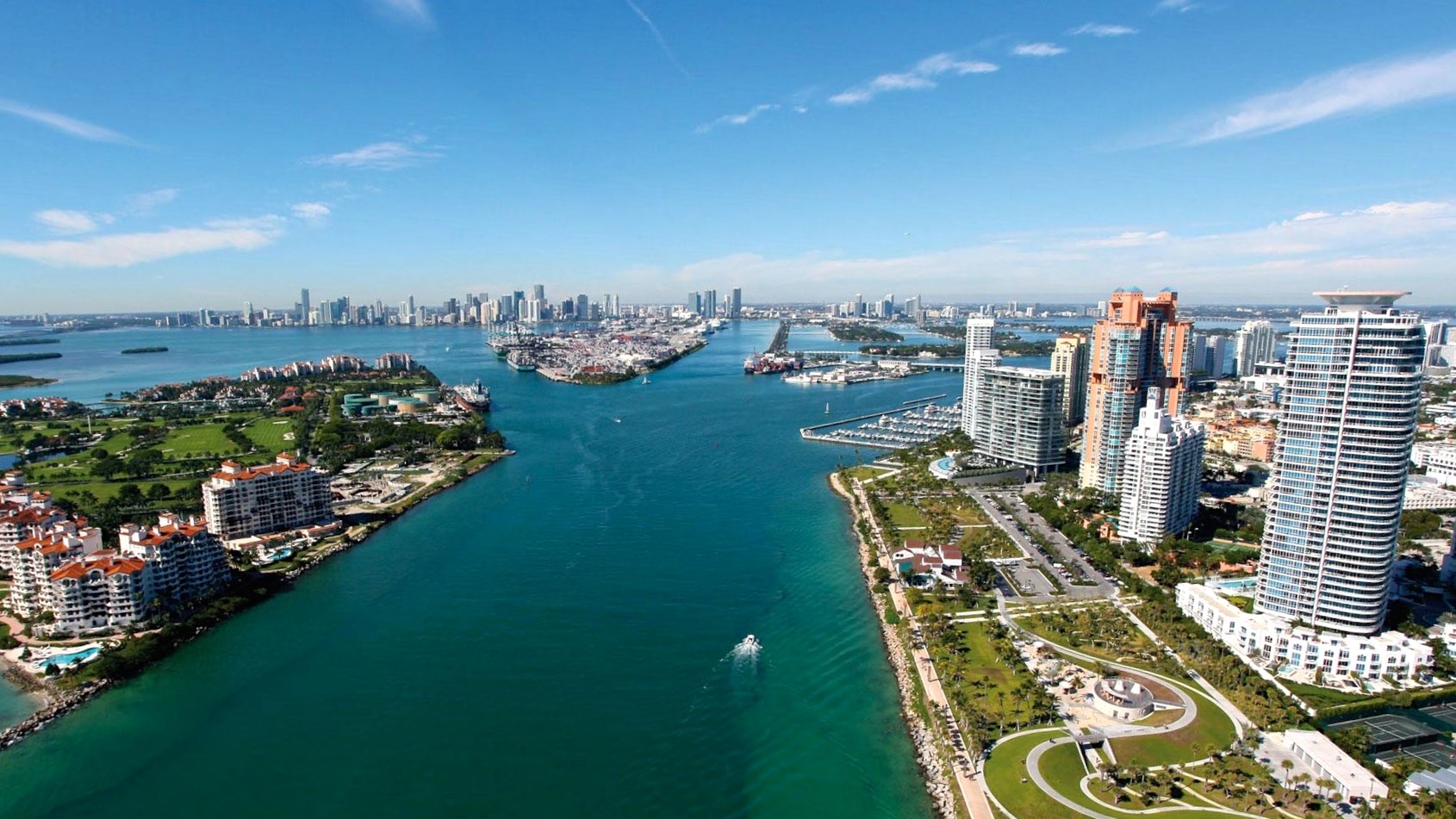
- in March, a partially completed house on Indian Creek Island sold for $170 million, a record for Miami-Dade County;
- in April, a vacant ocean-to-lake lot in Manalapan, with 342 feet of ocean frontage, sold for $105 million in cash;
- in May, an unfinished house on Everglades Island in Palm Beach sold for $93.3 million, against $39.5 million paid for it in 2021;
- in August, a waterfront lot on Palm Island in Miami Beach sold for $21 million, and a newly built house on North Bay Road sold for $72 million, its owner having paid $20.8 million in 2022.
At this level, the site and the finished product are priced separately, and the gap between them is where a great deal of value, and risk, sits.
Three routes, three kinds of risk
Land. The widest choice of design and the longest timeline. Before any construction, a project in Coral Gables passes through the city's Board of Architects, and in Palm Beach through the town's architectural and landmarks review. Design approval, permits and construction typically take years, not months.
Unfinished. Part of the timeline is behind you, but you inherit someone else's decisions: the design, the contractor, the permits, and whatever has or has not been built to plan. Diligence here means engineering and permit history, not only a walk-through.
Finished. You can see what you are buying and move in. New construction built to current Florida codes and flood requirements is generally easier to insure than older houses on the same street.
Building from abroad
The difficulty of a build is rarely the architecture. It is the months when the family is elsewhere and decisions keep arriving: a change order, a delayed inspection, a supplier substitution. What prevents problems in month eleven is usually decided in month one:
- an owner's representative who answers to the family, not to the contractor;
- a written decision calendar, so that choices are made before they become urgent;
- a single record of drawings, permits, change orders and payments.
Sources
- Miami Herald, March 2026
- Top Ten Real Estate Deals, April 2026
- The Real Deal, May 22, 2026
- The Real Deal, August 19, 2026
- The Real Deal, August 20, 2026
This note is general information, not legal, tax, insurance or investment advice. Figures are as reported by the sources listed, on the dates shown.